









The world of e-commerce has transformed dramatically over the past decade, and among the most popular business models is dropshipping. This model allows entrepreneurs to start their own online stores without the burden of inventory management. At the heart of this model are dropshipping suppliers, who play a crucial role in the success of any dropshipping business. Understanding how to find reliable suppliers, what to look for, and how to build strong relationships with them is essential for anyone looking to thrive in the dropshipping landscape.
What Are Dropshipping Suppliers?
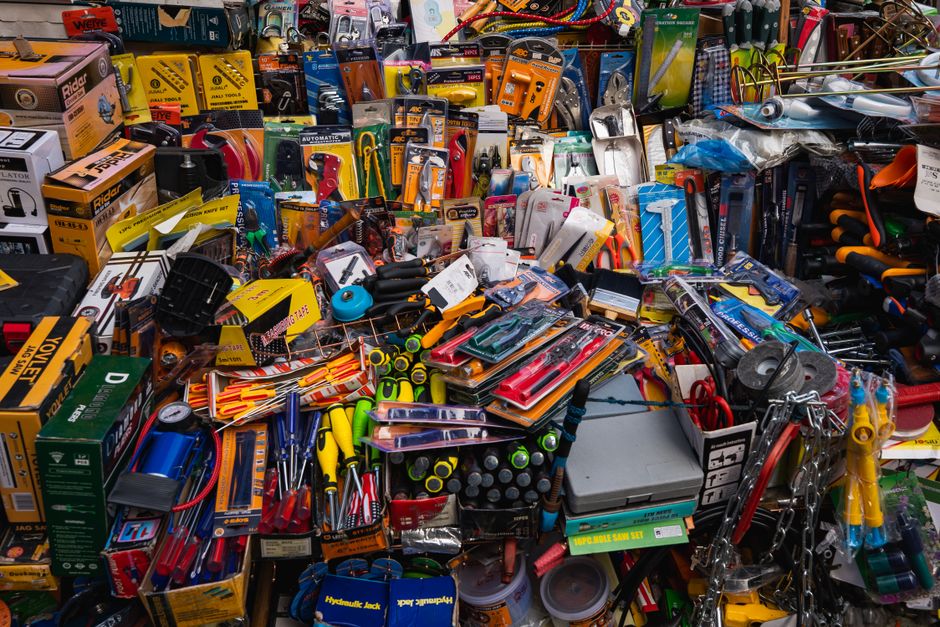
Dropshipping suppliers are third-party companies that handle the storage, inventory, and shipping of products on behalf of retailers. When a retailer sells a product, they place an order with the supplier, who then ships the item directly to the customer. This eliminates the need for the retailer to keep physical stock, reducing overhead costs significantly.
There are various types of dropshipping suppliers, including manufacturers, wholesalers, and marketplaces. Each type has its own advantages and disadvantages, and selecting the right one depends on the retailer’s business model and target market.
For instance, some suppliers may offer higher quality products but at a higher price, while others may provide lower-quality items at a more competitive rate. It’s essential for retailers to conduct thorough research to find the best fit for their business needs.
How to Find Reliable Dropshipping Suppliers
Finding trustworthy dropshipping suppliers can be a daunting task, especially for newcomers. Here are some effective strategies to help you locate reliable suppliers:
1. **Online Directories**: Websites like SaleHoo, Worldwide Brands, and Doba are excellent resources for finding vetted suppliers. These platforms often provide valuable information about each supplier, such as product range, pricing, and shipping policies.
2. **Trade Shows**: Attending trade shows can be an effective way to meet suppliers face-to-face. This not only helps in assessing the quality of their products but also allows retailers to build personal relationships with suppliers.
3. **Networking**: Engaging with other entrepreneurs in forums or social media groups can lead to valuable recommendations for dropshipping suppliers. Many successful dropshippers are often willing to share their experiences and contacts.
4. **Supplier Reviews**: Always check reviews and testimonials before partnering with a supplier. Websites like Trustpilot and Google Reviews can provide insights into the reliability and quality of service offered by potential suppliers.
Evaluating Dropshipping Suppliers
Once you have identified potential suppliers, the next step is to evaluate them to ensure they meet your business’s standards. Here are some critical factors to consider:
1. **Product Quality**: Request samples of products to assess their quality firsthand. This step is crucial to avoid selling subpar items that could damage your brand reputation.
2. **Shipping Times**: Fast shipping is essential for customer satisfaction. Suppliers should provide clear information about shipping times and options available. A good rule of thumb is to aim for suppliers with shipping times of no more than 5-7 business days.
3. **Return Policies**: Understand the supplier’s return and refund policies. A flexible and customer-friendly return policy can minimize potential disputes and enhance customer satisfaction.
4. **Customer Service**: Excellent communication is vital in any business relationship. Test the supplier’s responsiveness by reaching out with questions before committing to a partnership.
Building Strong Relationships with Suppliers
After selecting your dropshipping suppliers, it’s important to nurture these relationships for long-term success. Here are some tips:
1. **Regular Communication**: Keep in touch with your suppliers to stay updated on product availability, shipping issues, or changes in policies. Regular check-ins can foster a positive relationship and ensure smooth operations.
2. **Feedback**: Providing constructive feedback can help suppliers understand your needs better and adjust their services accordingly. This can lead to improved collaboration in the long run.
3. **Loyalty**: Consider building loyalty with your suppliers by placing consistent orders. Suppliers are more likely to offer better pricing and terms to retailers they trust and rely on.
4. **Flexibility**: Be open to adapting your approach based on the supplier’s capabilities. A flexible mindset can lead to innovative solutions that benefit both parties.
Conclusion
Finding the right dropshipping suppliers is fundamental to the success of any e-commerce venture. By understanding what to look for, how to evaluate potential partners, and the importance of building strong relationships, retailers can pave the way for a thriving dropshipping business. Remember, your suppliers are not just vendors; they are partners in your journey. By investing time and effort into finding and maintaining these relationships, you ensure a smoother operation and ultimately a more successful business. For those looking for a trusted resource, dropshipping suppliers can provide a solid foundation for your e-commerce ambitions.