









Replacing a roof is one of the most significant investments a homeowner can make. With various factors influencing the overall cost, understanding these elements can help you make informed decisions. This article delves into the intricacies of roof replacement costs, offering insights into what you can expect financially.
Factors Influencing Roof Replacement Costs
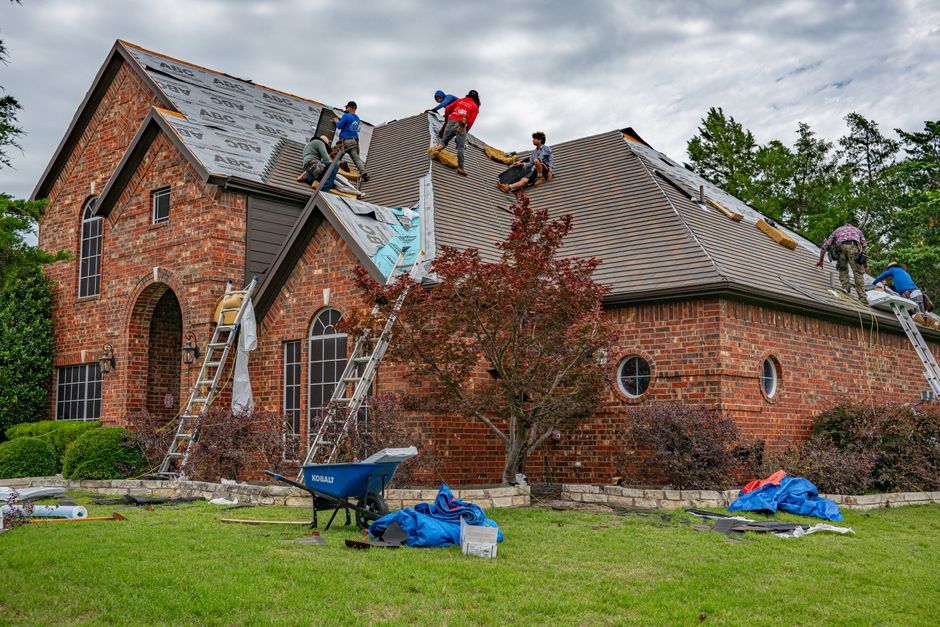
Several key factors contribute to the overall cost of replacing a roof. The type of roofing material, the size and pitch of the roof, and the complexity of the installation are all critical components. For instance, asphalt shingles are generally more affordable compared to materials like metal or slate, which can significantly increase the price.
Moreover, the size of your roof will directly affect the total cost. A larger roof requires more materials and labor, thus driving up expenses. Additionally, if your roof has a steep pitch or multiple levels, the installation process may become more complicated, leading to higher labor costs.
Another crucial aspect to consider is the geographical location of your home. In some regions, labor and material costs can vary significantly due to local market conditions. For example, urban areas often have higher costs compared to rural locations due to increased demand and living expenses.
Average Costs of Different Roofing Materials
Understanding the average costs associated with various roofing materials can help you budget effectively. Asphalt shingles typically range from $90 to $100 per square (100 square feet), while metal roofing can range from $300 to $700 per square. More premium materials, such as slate or tile, can exceed $1,000 per square.
For a standard 2,000-square-foot home, the total cost for asphalt shingle replacement might average between $5,000 and $10,000. In contrast, a metal roof could range from $15,000 to $30,000, depending on the specific material and design choices.
It’s crucial to factor in additional costs such as underlayment, flashing, and ventilation systems, which are necessary for a complete roofing system. These can add another $1,000 to $3,000 to your overall expenses.
Hidden Costs to Consider
While budgeting for a roof replacement, homeowners should be aware of hidden costs that may arise during the project. For instance, if your existing roof has structural damage or if mold is present, repairs will be necessary before the new roof can be installed. This can add significant costs to the project.
Moreover, the disposal of the old roofing material is another expense that can sometimes be overlooked. Many contractors charge additional fees for removing and disposing of the old roof, which can range from $500 to $1,500 depending on the size and type of material.
Permits may also be required for roof replacement, depending on local regulations. The cost of permits can vary widely, so it’s advisable to check with your local government for specific requirements and fees.
Financing Options for Roof Replacement
Given the high costs associated with roof replacement, many homeowners explore financing options to help manage expenses. Home equity loans and lines of credit are popular choices, allowing homeowners to borrow against the equity in their homes. These loans typically offer lower interest rates compared to personal loans.
Additionally, some contractors offer financing plans that allow you to pay for the roof replacement over time. Be sure to review the terms and interest rates associated with these options, as they can vary significantly from one provider to another.
Lastly, certain roofing materials and systems may qualify for tax credits or rebates, particularly energy-efficient options. Researching available incentives can help reduce your overall costs.
Choosing the Right Contractor
Finding a reliable contractor is essential for ensuring a successful roof replacement. Look for contractors with positive reviews and a solid track record in your area. Obtaining multiple quotes can also help you compare prices and services effectively.
When reviewing proposals, ensure that they include a detailed breakdown of costs, including materials, labor, and any potential additional fees. This transparency will help you avoid surprises later in the process.
Finally, don’t hesitate to ask for references or examples of previous work. A reputable contractor will be more than willing to provide this information, helping you gain confidence in your choice.
Conclusion
Roof replacement is a significant expense that requires careful planning and budgeting. By understanding the various factors that influence roof replacement costs, exploring different materials, and being aware of hidden costs, homeowners can make informed decisions. Whether you are considering a simple asphalt shingle roof or a more complex metal roofing system, preparing financially will ensure a smoother process. For a detailed breakdown of the roof replacement cost, it is advisable to consult with professionals who can provide tailored estimates based on your specific needs.